
Your winter guide to organic citrus
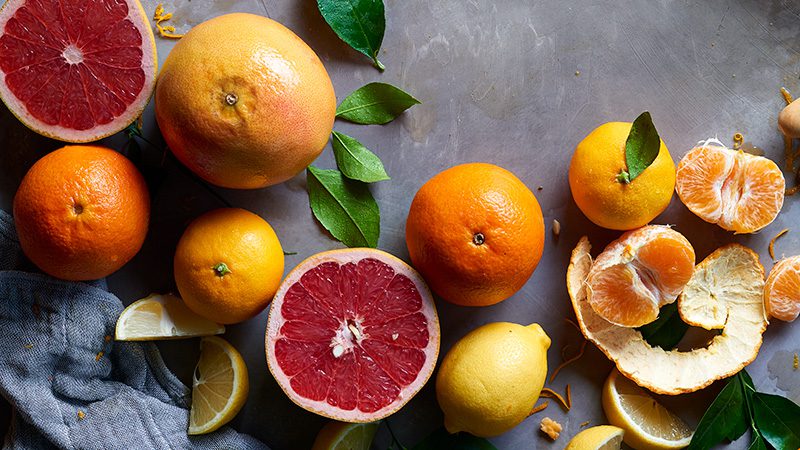
In the season of the Big Dark, we’re seeing some of the brightest fresh fruits. Citrus is at its peak in the winter – countless types of sunny oranges, radiantly yellow grapefruits and lemons, and a sweet-to-sour array of lesser-known favorites from fragrant Buddha’s Hand citrons to tart, pebbly-peeled finger limes.
Watch at PCC stores in January for citrus samples from Organically Grown Company (OGC), the Portland-based company supplying much of PCC’s organic winter citrus.
Some of that organic fruit is especially meaningful this year: It’s the first citrus growing season since OGC purchased Johansen Ranch, an organic citrus farm in northern California.
Stewarded by two generations of the Johansen family, growing Satsumas from rootstock that had been brought over from Japan, the farm was in danger of being sold on the open market. Its rows of heirloom fruits would have been replaced by almond groves.
Instead OGC, which is owned by a sustainable agriculture trust, acquired the land with plans to keep it operating just as it had. The company said the move “underscores our commitment to organic agriculture and our growers.” Citrus delivered to PCC produce departments from that farm includes Satsumas, Meyer lemons, blood oranges and navel oranges.
Organic citrus spotlight
Citrus season now goes far beyond the basic orange. Exact citrus selections vary by week and by store, but shoppers are likely to find these selections at PCC along with many more:
Buddha’s hand citron: Beneath the rind, Buddha’s Hand is entirely composed of pith, with no pulp, seeds, or juice, says OGC. It’s wildly decorative, with its curled, banana-colored fingers, and its floral scent can perfume a room. Both peel and pith can be candied or zested, and the fruit can shine in recipes like this infused vodka.
Finger limes: With leathery and pebbled peels in varied shades, this fruit, which originated in Australia, is shaped something like a human thumb. Its pulp is composed of juicy, caviar-like pearls that make a great, tart topping for oysters.
Meyer lemons: Technically a cross between a lemon and an orange, this fragrant, thin-skinned fruit is juicy, sweet and milder than standard lemons.
Blood oranges: Varieties differ, but blood oranges typically have striking, deep-red flesh. The classic Moro blood orange, with a burgundy rind, is common throughout Italy and OGC says its flavor carries berry-like overtones.
Cara Cara navel oranges: With vivid red-orange flesh, the Cara Cara has a complex sweet and tangy flavor with floral notes of cranberry, raspberry and rose. OGC suggests that its taste is “a perfectly balanced blend of tangerine and grapefruit.”
Heirloom navel oranges: The quintessential Navel of winter, according to OGC, Heirloom “delivers classic bold flavor perfect for fresh eating and juicing with a balanced acid-to-sugar ratio.” Heirloom Navel oranges are grown from “old line” Washington Navel trees, the variety that kicked off the citrus boom in California.
Kishu mandarins: About the size of a walnut, this squat mandarin is full of flavor. Known for its balance of candy-like sweetness and tangy tartness, the juicy fruit is grown on small trees and harvested by hand because of its size and delicate nature.
Kumquats: Typically oval and about the size of a large olive, kumquats are entirely edible, including the peel. The peel, in fact, is generally sweeter than the tart flesh. In recent years hybrids have become more readily available, including limequats (a cross between Key lime and kumquat) and mandarinquats, a teardrop-shaped cross of mandarin oranges and kumquats.
Minneola tangelos: The most popular tangelo, according to OGC, Minneola is nicknamed “The Honeybell” due to its bell shape. The large, juicy fruit has a rich flavor described as “traditional tangerine with a subtle touch of grapefruit.”
Pomelos (also spelled Pummelos): This large, thick-peeled fruit is considered the “parent” of the grapefruit, according to OGC. The flesh is firm and succulent, and its bitter pith should be removed before eating, but it has a sweet-tart flavor that’s both punchy and robust.
How to store citrus
Citrus is relatively hardy compared to summer berries or stone fruits. It’ll keep for a few days on the countertop (or in a decorative bowl) at room temperature, but can last far longer, up to a few weeks, if stored in the refrigerator. Ideally, keep the refrigerated unpeeled fruits in a mesh bag for better air circulation (and don’t pack them too tight), stored in the vegetable drawer.
If you have more citrus than you can use in that time period – or less refrigerator space – consider zesting the fruits and squeezing the juice. Both can be frozen for later use.
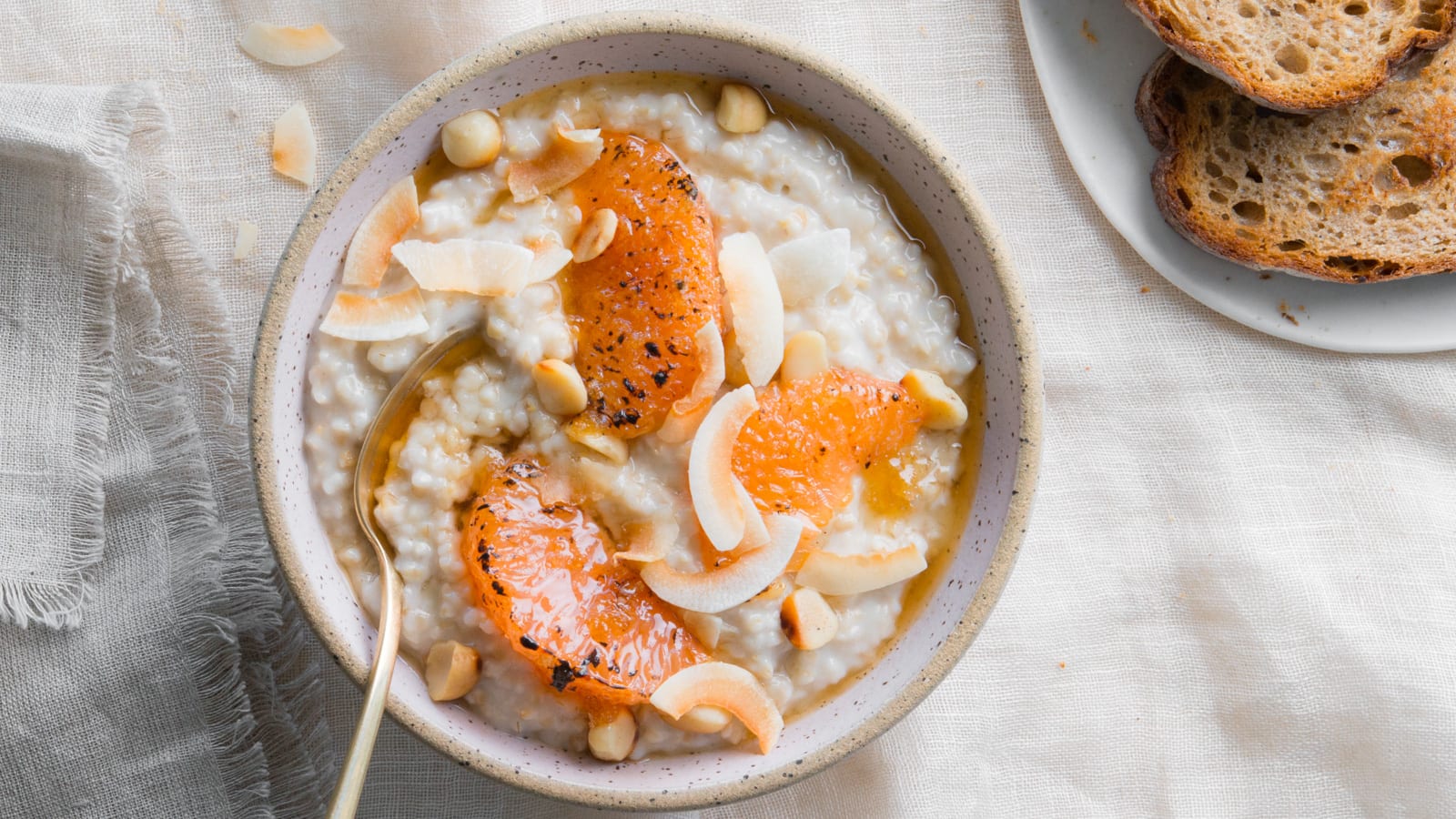
Recipes for winter citrus
Take a deeper dive into Meyer lemons here, with recipes for lemon curd and salt-preserved lemons. Also enjoy: