
Herbs Anyone Can Grow—Even in Rainy Seattle

You can grow herbs. Yes, you. Truly.
Tomatoes need to be babied, and frequent Northwest rain makes root rot the scourge of many a shrub and flower. But herbs are not demanding at all, says Barbara Picat, a master gardener who ran the herb garden at the Bellevue Demonstration Garden. “They need what they need, like all plants do. But if you give them that, they’ll thrive.”
In most cases, what they need amounts to a minimum of six hours of sun a day. And a recent change in Seattle’s growing zones formalizes the general sense that it’s become easier to grow heat-loving crops here in the last decade (Seattle now falls in zone 9a, a full five degrees warmer than our previous designation). Still, it’s important to read labels and make sure your herbs—or any plant you’re trying to grow—can survive our area’s coldest winter temperatures.
Where to Plant Spring Herbs
Planting herbs in a pot makes it easier to place them in a location that gets sufficient sunlight. “An arrangement of five pots can be beautiful, because they’re all different,” says Picat. Many herbs are perennials, meaning you plant them once and they return each spring, especially with proper care. Picat suggests integrating perennial herbs into your regular landscaping, or among vegetables in raised beds. “Planting herbs among vegetables can help keep insects and diseases away,” she says.
Common Herbs for the Northwest Growing Season
Rosemary
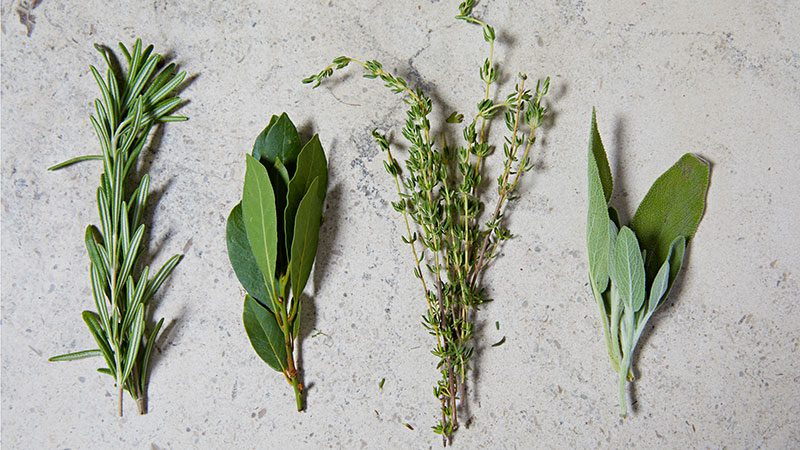
This evergreen bush is hardy and forgiving—and highly aromatic. It does well in pots or containers, but given its shrub status and blue flowers, Picat suggests incorporating the culinary star into your everyday landscape. “It can stay in the ground for years and years.” Varieties like Arp rosemary (salvia rosmarinus) hold up to Northwest winters.
Sage
A sturdy perennial with gray-green leaves that thrives in our climate without too much work. Just harvest what you need, when you need it, by pinching off leaves or snipping small sprigs. The Farmer’s Almanac suggests harvesting lightly the first year as the plant gets established. Need recipe inspiration? It’s here.
Thyme
Another member of the crew of easy-growing Mediterranean perennials. For harvesting, The Kitchn says to “clip a few sprigs as needed” and perform a few mass harvests during the growing season to encourage new growth. It’s OK to be aggressive; as with rosemary and sage, thyme can get woody if left unpruned.
Chives
Even in winter, says Picat, it’s possible to go outside and cut fresh stalks of these mild alliums. Trim off just what you need, or cut these perennials all the way down to the ground—they’ll grow back swiftly, over and over again. Fans of traditional chives might also want to explore allium tuberosum, or garlic chives. As the name implies, these impart a garlicky flavor.
Mint
It’s no surprise to hear mint grows well here; Washington is the country’s top producer of spearmint oil and near the top in peppermint oil. (Most is grown in the state’s warmer areas, but still.) A word of warning about this versatile, aromatic favorite. “It is extremely invasive,” says Picat. “It will just go everywhere in your garden.” If you don’t want it to spread, plant mint in a pot, trim away flowers, and pick off leaves as you need them. Martha Stewart agrees. Bonus: Growing your own allows access to a wider world of mint; look for seeds and starts of chocolate mint, strawberry mint, pineapple mint and other astonishingly varied fragrances.
Parsley
This herb is a biennial, but it’s usually grown as an annual, according to the King County Master Gardener Program. “It will come back, but it’s usually not very good the second year,” says Picat. If you use a lot of parsley, she recommends growing more than one plant. Otherwise, a single batch of chimichurri could wipe out your garden’s entire supply.
Basil
Did we say spring herbs? Basil qualifies — barely — but requires patience. The finicky but well-loved staple loves warmth and sun, two resources that can be in short supply during a Northwest spring. Basil likes soil that’s around 50 degrees, so many local gardeners don’t put it in the ground until June, says Emilie Castle, a master gardener with WSU’s King County extension. Planting in raised beds can also keep soil temperate. Pro tip: Castle also suggests planting it along a rock wall that absorbs sun and can radiate a bit of extra warmth back onto your plants.
The Best Way to Store Fresh Herbs
Ready to harvest? (Or to store your store-bought herbs?) Serious Eats suggests arranging hardy herbs in a single layer atop a paper towel, then rolling them up and keeping that rolled-up bundle in the refrigerator in plastic wrap or a zipper-lock bag.
To keep tender herbs tender, arrange them in a jar with an inch of water in the bottom, cover with a plastic bag and seal it with a rubber band. Martha Stewart suggests you hold off on washing harvested basil until you’re ready to use it, to extend its lifespan.
How to Preserve Herbs
During peak season, it’s easy to harvest more herbs than one household can reasonably consume. Then, per America’s Test Kitchen, it’s time to break out an ice cube tray and freeze cubes of sturdy herbs like rosemary, sage, and thyme.
However the most classic way to prolong the life of delicate bunches of basil, parsley, or cilantro: turn it into pesto, chimichurri, or a similarly herbaceous sauce, then freeze it. Castle freezes cubes of basil in her ice cube tray.
She also loves preserving herbs as salt. Recipes abound online, usually some version of blending salt and herbs in a food processor and letting it dry. “You’ll end up with the essence of that herb,” she says.
Castle’s also not afraid to use up herbs in her kitchen by throwing extra handfuls into a recipe or adding them to garnish a dish, impromptu. “Usually you just need a handful, and then you end up with extra herbs,” she says. “And a lot of people just end up with sludge in their refrigerator.”
Find organic seeds and starts at PCC
Organic seeds are available at all PCC stores in season except the PCC Corner Market. Plant starts are available at the Bothell, Burien, Columbia City, Edmonds, Greenlake Aurora, Issaquah, Redmond, View Ridge, and West Seattle stores, though the selection varies by location. If you do not see the seed variety you want on the shelves, it may be available online from our supplier, Territorial Seeds, which currently offers discounted online orders for PCC members (see details here.)
Mark your calendar now to plan ahead for your fall and winter garden. The season starts surprisingly early, as detailed here! For that matter, winter is a good time to start planning for perennial fruit trees and bushes.
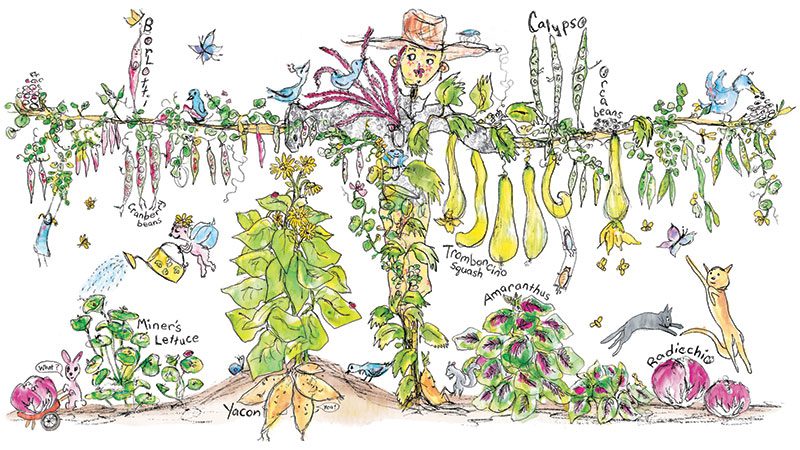
Looking to try something new? Consider these unsung heroes of the Northwest garden.