
The Cocktail Garden: Using Fresh Herbs in Your Summer Drinks
By Sheryl Wiser, guest contributor
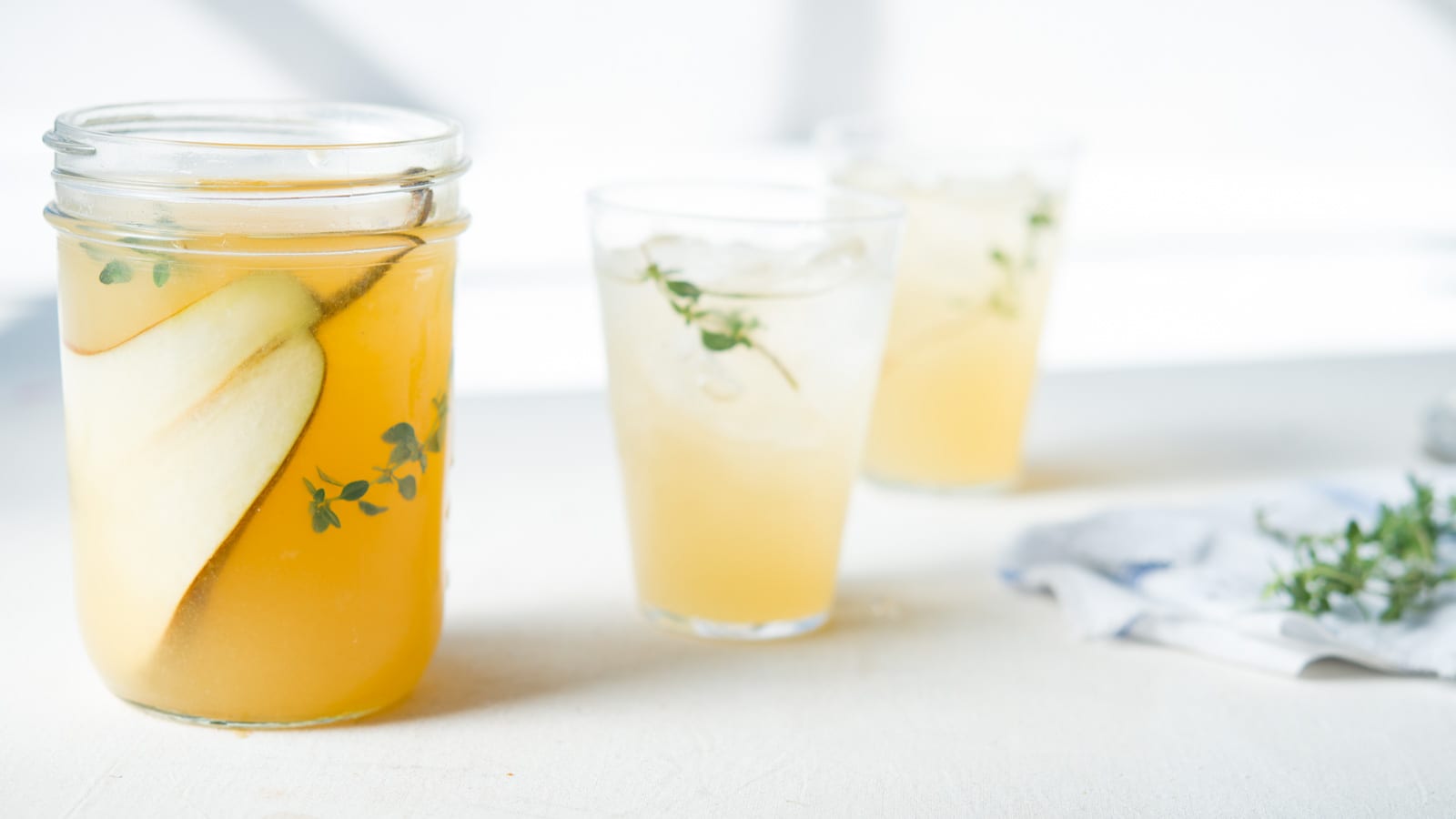
The secret ingredient in your next summer cocktail or mocktail might be growing in your back yard. From basil to red shiso to edible blossoms, gardeners and mixologists are embracing the “garden to glass” trend, a direct counterpart to the culinary world’s “farm to table” movement. Snipping even a few of the herbs or edible blossoms now flourishing in gardens and produce sections can transform your beverage of choice as easily as it enhances a summer meal.
The Cocktail Farm
The Northwest is a leader in this “garden to glass” or “farm to bar” movement, in part through Pierce County sisters Belinda Kelly and Venise Cunningham. They’ve inspired people to rethink how they grow, mix and enjoy drinks through their Simple Goodness Farm, a.k.a. “The Cocktail Farm” in Buckley, WA, plus a line of Simple Goodness Syrups and a comprehensive book, “Drink Your Garden: Recipes, Stories and Tips from the Simple Goodness Cocktail Farm.” See their recipe for Blackberry-Mint syrup below.
Where to start? Kelly advises to begin by thinking about what you want to drink, or what ingredients you’re excited to make things with. Don’t grow anything if you don’t enjoy its flavor, she says. Shift your thinking from plate to glass.
The sisters suggest using usual favorites like lavender, but also branch out into less familiar and drink-friendly choices that can thrive in Northwest gardens, such as Gomphrena, a.k.a. Globe Amaranth, and Acmella oceracea, otherwise known as the “Toothache plant.”
Take inspiration also from restaurants – Kelly is a fan of Tacoma’s Corbeau, where bar manager Kylie Agostini has created an elevated botanical beverage program, inspired by weekly finds at the Proctor Farmers’ Market. Agostini uses summer produce, specifically cilantro, bell peppers, basil, tomatoes, cherries, strawberries, and gooseberries, crafting adventuresome pairings like Blanco tequila, cilantro, fresh juiced bell peppers, serrano dill hot sauce, or a botanical gin with basil, mint, loganberries, and lime.
For those with a profusion of herbs, minus a stocked liquor cabinet or other ingredients, Agostini proposes using them in a simple syrup. Making one at home is as easy as the name sounds, try this PCC recipe for mint simple syrup, or this PCC basil simple syrup in a sparkling mocktail.
For something even simpler, infusions are by far the easiest route for getting the drinkable benefits of garden herbs. “Try putting a couple of sprigs into your favorite liquor and let it sit.” Or, Agostini says, use a higher proof spirit with your favorite blend of herbs, let it sit overnight to extract the oils, and strain for shelf-stable bitters. (Here’s one guide to making bitters at home.)
For those curious about more offbeat pairings, Agostini is a fan of balsamroot, roasting them (all the parts are edible) and adding to bitters. “They add an earthy pine note and depth.” There’s also Red Shiso (a vibrant, deeply pigmented herb in the mint family, widely used in Japanese cuisine). “It’s a great mint alternative if you want something a little more interesting that’s easy to pair, try swapping in red shiso for mint in a mojito with homemade lavender bitters.”
Regardless of what you use, be safe and do your homework, Agostini says. That includes only using vetted recipes and washing all your herbs and produce before using. She likes to remove all stems and larger seeds, as they can sometimes add bitterness. She also suggests investing in a good juicer for maximum yield, although a blender also works. If using delicate greens like mint, basil, or sorrel, she recommends blanching and shocking the leaves to maintain color. “Quickly dip into almost boiling water, then directly into an ice bath before lightly blending or juicing.”
If sangria is your summer drink of choice, Paul Beveridge, founder and vintner at Wilridge Winery in Yakima, makes a red and a white sangria with herbs from his farm, such as rosemary, thyme, and mint. Those little green leaves go a long way to enhancing the overall flavor of this refreshing summer drink, and depending on what you choose to add, infusing your sangria can help rein in overly sweet or bitter tastes.
Going Spirit-Free
Mocktails can benefit from many contributions from the garden. To start, Juanita Unger, owner of Seattle-based The NA Sommelier, suggests using whatever you have on hand as a garnish.
The flavor will surprise you. “People underestimate how much a fresh herb sprig can elevate a drink just through aromatics,” she says.
“I have an upcoming event where I’m serving a Blood Orange Sicilian Spritz, made with fresh juices and herbs, but adding a fresh sprig of thyme takes it to a completely new level. The aroma alone changes the whole experience before you even take a sip. You can also give it a little stir to gently infuse the sprig into the drink.”
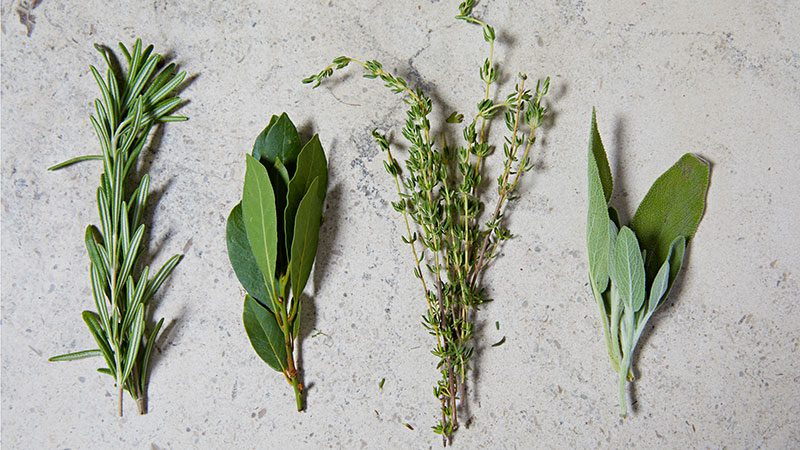
Beyond garnishes, use garden herbs in simple syrups, shrubs (see below for more on those), or tinctures. The key, Unger says, is to treat each herb according to its nature. “Delicate herbs like mint and lemon balm need shorter infusion times and lower heat, if you’re using heat at all.” Her trick for delicate herbs is to clap them between her palms before adding them to a drink—which releases the oils without bruising them. “More sturdy herbs like rosemary and thyme can handle longer infusion times and actually need hot infusions to really open up; they’re harder to cold-infuse effectively.”
Lavender, while a perennial favorite, deserves a note of caution. “Taste your infusion frequently, as it can quickly go from floral and lovely to soapy and overwhelming.”
If you’re open to exploring, Unger calls fresh bay leaves “a revelation,” with a taste completely different from dried bay leaves, more floral, herbal. “They add a subtle, intriguing depth to drinks that’s hard to place but very pleasant.” Summer savory is another eye-opener. “It has a peppery, slightly minty flavor with hints of thyme and oregano. It adds a savory complexity to beverages that’s really interesting, especially in herb-forward cocktails.”
Like Kelly, Unger follows the concept of “whole cow bartending or mixology” with the idea being that you use everything. If you’re roasting carrots on the grill, she counsels, don’t throw away the greens and stems; save them and make a shrub. Or, if you’re using fresh citrus in a drink, make an oleo saccharum (Latin for “oil sugar”) from the peels by covering them in sugar and letting them macerate.
“You’re extracting every bit of flavor and doing it in a way that’s intentional and zero-waste. It’s the culinary equivalent of nose-to-tail cooking, but for your bar cart. Sometimes the most unexpected and delightful flavor combinations come from approaching things through a completely different lens.”
Unger has crafted what she calls the “almost perfect summer drink” – a strawberry red pepper basil shrub for an N/A Aperol Spritz. “I wanted to tip it over the edge with really seasonal, fresh from the garden flavors that capture summer in a glass.” Junger is also experimenting with making her own bitters and tinctures, which she says opens up a whole new level of flavor complexity for N/A cocktails. “The goal is always to show people that nonalcoholic drinks can be just as layered, intentional, and exciting as their alcoholic counterparts.”
Shrub and Savory
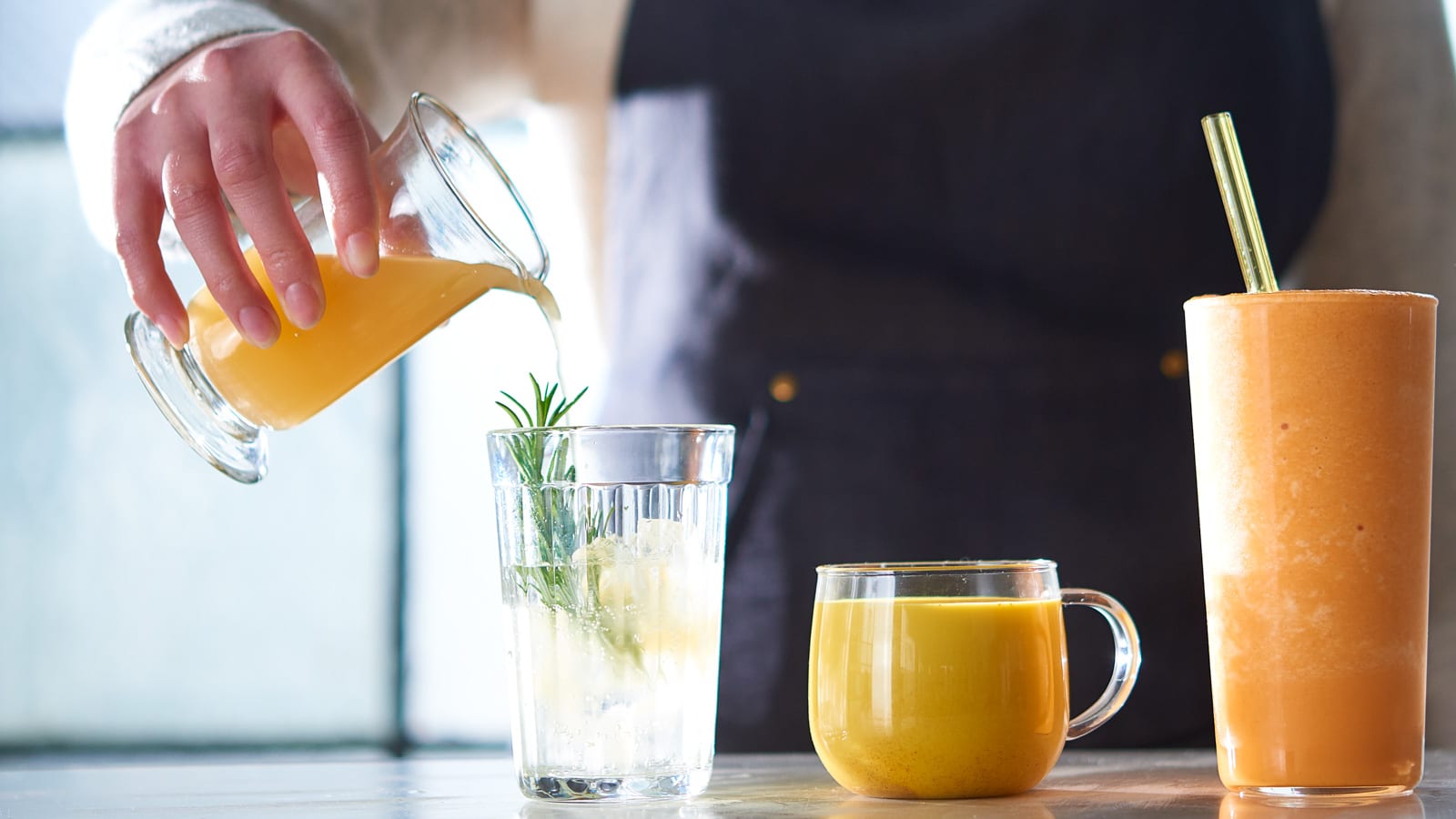
For those looking for low-sugar and no-sugar options, Unger says shrubs are the answer – easy to make at home, naturally low in sugar, plenty of flavor, plus beneficial gut bacteria, similar to kombucha but even simpler to make.
Consider checking out writer, editor and self-described “accidental bartender” Michael Dietsch. A contributor at Serious Eats, Dietsch is the author of “Shrubs: An Old-Fashioned Drink for Modern Times,” which took the mixolory community by storm when it arrived in 2014 as a definitive guide to making and using the vinegar-based, Colonial-era drink mixer. In Savory and Sweet Shrubs: Tart Mixers for Delicious Cocktail and Cocktails, a recently published companion collection, Dietsch expands on the concoction’s versatility with recipes for 50 shrubs as well as dozens of cocktails, mocktails, and craft sodas that feature them.
Unger also favors leaning into savory drinks. “People default to sweet cocktails, but savory drinks are naturally lower in sugar and often more complex and interesting.” She is a devotee of Curious Elixirs which she describes as “bespoke, beautifully crafted NA elixirs” with no added refined sugar, and very low in natural sugars. She recently built a savory cocktail around Curious Elixirs #3 called a “Cucumber Collins,” muddling fresh cucumbers into the elixir, with an added splash of saline solution, and garnished with black olives. “Instead of trying to augment the drink for sweetness, I leaned into its natural savory character. It’s sophisticated, unexpected, and completely satisfying without any sweetness.”
Whatever you choose to sip this season, inspiration from your garden, grocery, farmers market and kitchen are on hand for mixologists and gardeners of all skill levels. Check out these resources to help expand your beverage horizons!
Sheryl Wiser is a Seattle-based writer, consultant, and long-time advocate for local food systems.
Cocktail garden resources
Looking for more detailed information on a cocktail garden? Try these “garden to glass” resources:
Simple Goodness Sisters https://simplegoodnesssisters.com
The NA Sommelier https://www.thenasommelier.com
Drink Your Garden: Recipes, Stories and Tips from the Simple Goodness Cocktail Farm Belinda Kelly and Venise Cunningham (Norton/Countryman, 2025).
Savory and Sweet Shrubs : Tart Mixers for Delicious Cocktails and Mocktails Michael Dietsch (Countryman Press, 2025)
Spruce Eats Using Herbs and Spices in Cocktails
Blackberry Mint Syrup
Makes about 12 ounces
Blackberries ripen beginning in August where we live, which tends to be the hottest month on the farm, when our mint begins to struggle to keep enough water under the sun’s relentless shining. We always do a big trim of the mint right around Belinda’s birthday (August 16), which is the same time that the berries are ripe on the drive up to the farm—so we go out with the kids in the cooler evenings and mornings to pick.
The timing of these mint cuttings—while ripe, dark berries were draining in colanders in the sink—first inspired this syrup flavor.
Ingredients
- 1 cup marionberries or blackberries
- 1 cup granulated cane sugar
- 1 cup water
- ½ cup fresh mint leaves, preferably young, tender leaves without any browning
Instructions
- Combine the berries, sugar, and water in a medium saucepan over medium heat. Mash the berries as they heat to release their juices, stirring frequently until the sugar has completely dissolved.
- When the berries are fully mashed and juicy, remove the pan from the heat.
- Add the mint leaves and let them steep in the hot syrup for 5–10 minutes, tasting occasionally until the mint flavor is rounded and present, but not bitter.
- Strain the syrup through a fine-mesh sieve, removing the mint leaves, berry pulp, and seeds.
- Transfer the syrup to a clean bottle or jar with a tight-fitting lid.
- Refrigerate for up to 2 months.
- From “Drink Your Garden” by Belinda Kelly and Venise Cunningham (W.W. Norton).