

Here’s what organic does:

Builds healthy soil that stores carbon

Keeps fossil-fuel fertilizers out of our food system

Protects clean water and pollinators

Reduces pesticide exposure for farmworkers and families

Strengthens local, resilient food systems

What is a Certified Organic grocer?
Just like certified organic products, all PCC stores meet strict USDA standards that ensure organic integrity is upheld through every step of our supply chain.
Proper Storage:
All organic and non-organic products are stored, processed and displayed separately — and are clearly labeled to avoid confusion or cross-contamination.
Clear and Confirmed Labeling:
We ensure all organic products in our store are verified, transparent and traceable. Just look for the USDA Certified Organic seal!
Prevention of Cross-Contamination:
We keep organic and non-organic products from commingling and prevent contact with prohibited substances, including by using only approved sanitation products.
Organic in every aisle
At PCC, we’ve prioritized organic since the 1970s — before organic standards were federally upheld. So, you’ll find an abundance of organic products throughout every department in our store.
Read the History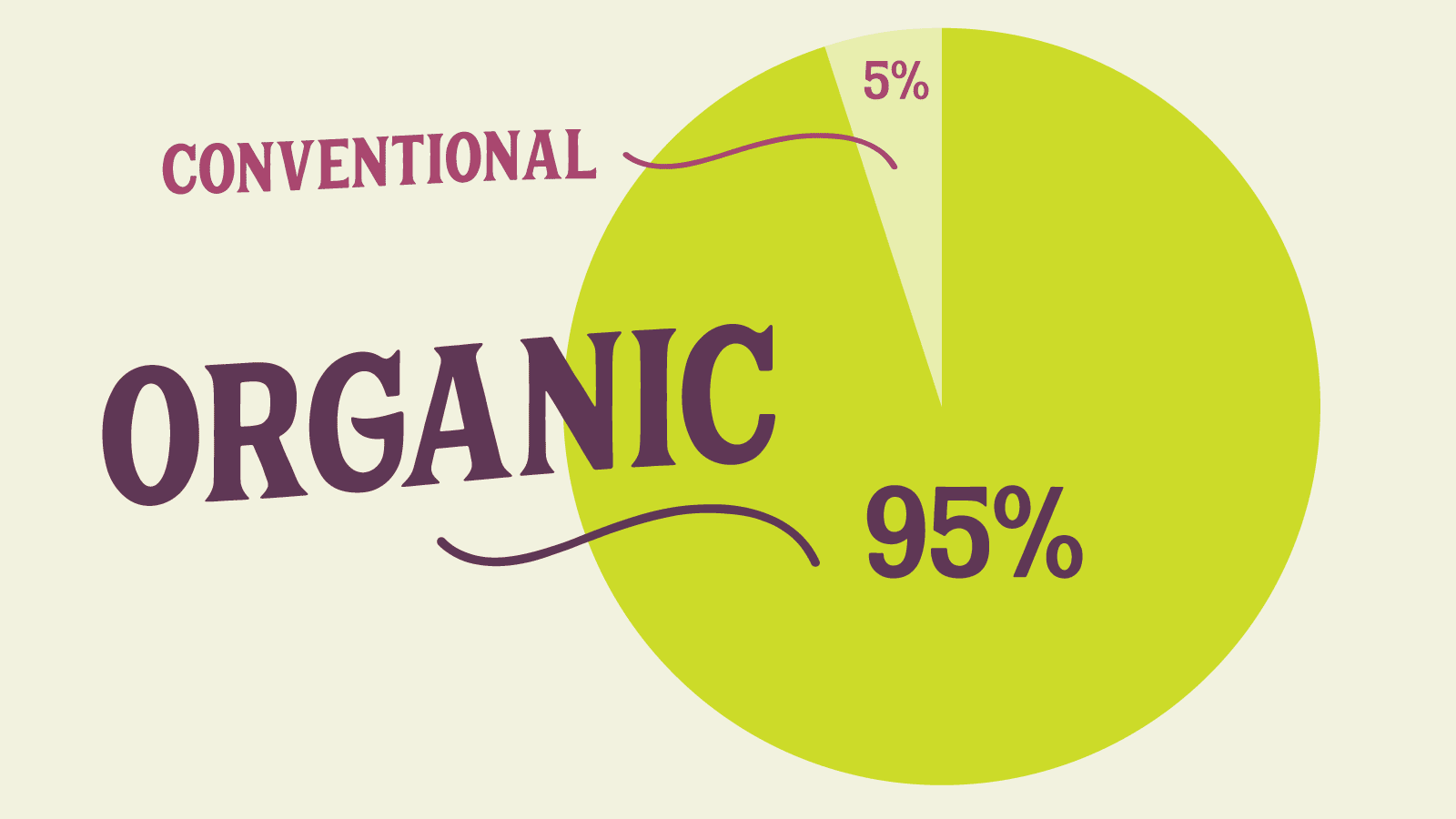
95% of our produce selection is organic, year-round
Why not 100%?
To meet our customers’ needs — because sometimes you want grapes on your cheeseboard in the middle of winter.
What’s the nutritional difference?
Certain organic crops contain up to 69% more antioxidants than conventional. [1]
More About Produce
Organic meat has been sold at PCC since 1991
Why?
Because organic means animal welfare, from livestock feed to living conditions.
What’s the nutritional difference?
Organic meat can contain 47% higher levels of omega-3 fatty acids than conventional meat. [1]
More About MeatOrganic eggs have been sold at PCC since 1994
Why should you care?
In addition to healthier living conditions for hens, eggs raised through organic practices can contain more calcium, potassium and zinc. [1]
More About EggsOrganic milk has been sold at PCC since 1994
What’s the nutritional difference?
Organic milk can contain 56% higher healthy omega-3 fatty acid levels. [1]
More About Milk
What about regenerative?
Regenerative agriculture has been a hot topic in recent years. Get to know what the term really means, and why organic is still our top priority, in these articles from Sound Consumer.
Our partners in advancing organics
Organic standards exist because people care, deeply. And those people work together to make sure organic integrity is upheld today and in the future. Get to know our partners in championing organics.

Organically Grown Company — The nation’s largest wholesale distributor dedicated to organic fresh produce, supplying 80% of PCC’s selection.
Learn More
Coalition for Organic and Regenerative Agriculture — Supports policies and programs that help grow adoption of organic practices in Washington. Cofounded by PCC, Organically Grown Company, and Tiilth Alliance.
Learn More
National Organic Coalition — Advances organic standards, defends organic integrity in federal policy and advocates for human-centered improvements. PCC is a proud member and serves on the board.
Learn More
Organic Trade Association — Promotes and protects organic with a unifying voice that serves and engages its diverse members from farm to marketplace. PCC is a proud member.
Learn More
Support the future of organics
Although there are countless people, farms and organizations who uphold organic standards, its integrity is at risk. Together, we can take action to help ensure we grow a future for organics that feeds us all.

Advocate this winter
Each legislative session, we work with our partners to bring you ways to make your voice heard. Check back January 20 to see which initiatives we’re supporting this year and how you can get involved.
Join our cooperative effort
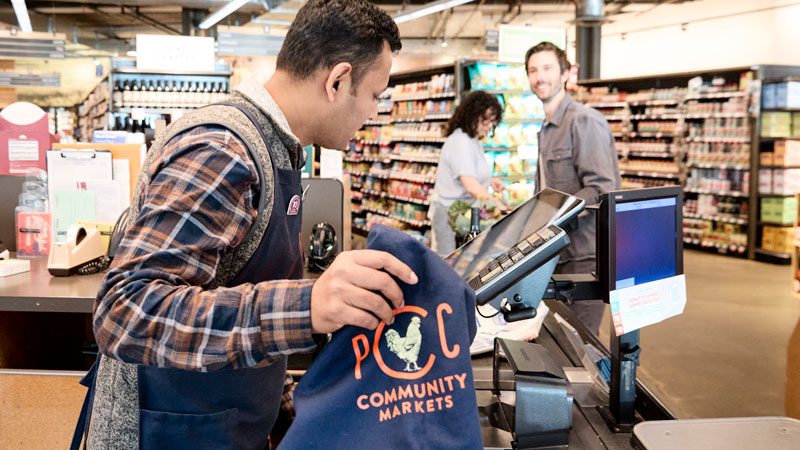
In 1997, PCC members sent 30,000 comments to the USDA regarding their proposed national organic standards. The power of our collective voice is endless. When you become a co-op member-owner, you’ll have opportunities to influence the food on our shelves and the food system that makes it all happen.
Become a Member1. Organic Trade Association, The Science Behind Organic (September 2024), https://ota.com/resources/industry-downloads-toolkits/communications-toolkit-download