
What’s fresh? A guide to Washington’s seasonal produce
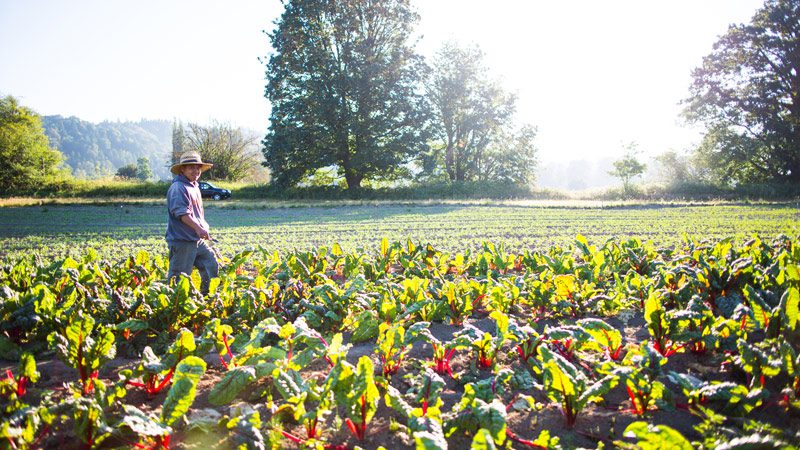
Oxbow Farms
By Sheryl Wiser, guest contributor
A new year means a fresh start to adding more fruits and vegetables to your plate. With that in mind, we’ve created a guide to what’s in season throughout the year from Washington farms, orchards, and gardens.
The abundance of local produce, even in winter, might be a revelation. Although we’re not California (where you can get everything most of the time), Washington’s distinct growing seasons mean you can get something good all of the time, with Washington’s 15 million acres of farmland producing 300 different crops, ranking second in the nation. Additionally, the state’s diverse geography, combined with ocean-fueled microclimates, creates an endless variety of growing regions, from the moist hillsides and valleys on the west side of the state to the fertile, rolling plains of Eastern Washington.
Although the availability of seasonal produce is subject to weather and other conditions, consider this guide a road map on what you can expect — up to a point. Climate change is beginning to make things a little less predictable says Elliott Lamoureux, PCC’s produce merchandiser.
“Extreme weather events like heatwaves and heavy rains are hitting farms hard, sometimes wiping out entire crops. For example, the 2021 heat dome caused major losses for a lot of growers. These disruptions don’t just affect what’s available but also put real pressure on prices because supply can suddenly drop while demand stays the same,” he said. On top of that, warmer temperatures and shifting rainfall patterns are changing how crops grow. Because of all this, farmers are investing in things like shade nets, drought-resistant crops, and tweaking planting schedules, but those adjustments take time and money.
Lamoureux encourages customers to be flexible and understand that availability and prices might be more variable, and that supporting sustainable farming practices is key. That said, there’s still something for every season, including:
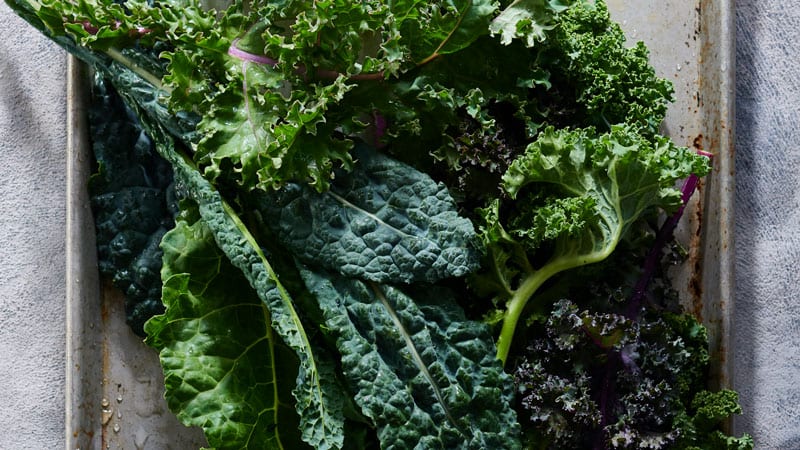
JANUARY—MARCH
Produce Aisle: Although local root veggies like parsnips and beets get plenty of attention in the early months of the year, Lamoureux highlights sunchokes as a tasty, nutty tuber that shines in winter but often get overlooked.
Look For: Greens like kales, chards, and mizuna, along with pumpkins, sweet potatoes (yams), and winter squashes, sunchokes, potatoes, brussels sprouts, rapini, and celery root (celeriac), leeks, yellow onions, and parsnips. When it comes to fruits, while pickings feel slimmer, there’s a lot of variety within that narrower range. More than 30 varieties of apples are grown in Washington, from heirloom varieties to the standout newer Cosmic Crisp, along with approximately ten varieties of pears. During these months, you’re likely to see Bosc, Comice, Concorde, Forelle, Green Anjou, Red Anjou, and Seckel in-store, along with Asian pears.
In The Garden: According to Tilth Alliance’s Maritime Northwest Gardening Guide, January provides the perfect conditions for imaging and planning a garden, rather than harvesting, but you can still start seeds for slow-growing alliums (think onions, garlic, chives, and leeks). February is an ideal time to plant more garlic and prune grapes, while setting up cloches for early sowings of lettuce and Asian greens. In late February, look to the outdoor sowing of peas (shelling, fava, snow, and soup), while sowing indoors to transplant in April, May, or June crops like beets, celery, parsley, asparagus, eggplant, peppers, lettuce, and more.
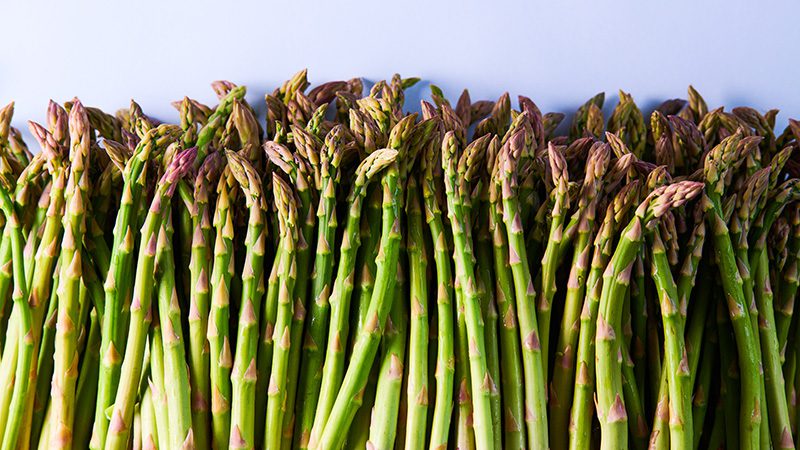
APRIL—JUNE
Produce Aisle: Lamoureux says that “Spring really kicks things into gear. One of the first signs of local spring produce is purple sprouting broccoli. It’s basically the season’s way of saying, ‘we’re back!” Rhubarb also pops up early and brings a nice burst of color to the mix.
Look For: Make way for more greens, with many continuing to be “in season” beyond this period, including mesclun (often includes arugula, chervil, leafy lettuces, endives, and other greens such as mizuna, radicchio, or sorrel), spinach, beet, collard and mustard greens, and braising mix. A little later in the season, look for broccoli, chards, dandelion greens, asparagus, pea vines, radishes, and rhubarb. Fruit fans will rejoice as strawberries are likely to start making an appearance in May, with Bing and Rainier cherries coming in June, along with fresh herbs like chives, cilantro, and fennel.
In The Garden: Marni Sornin, director of garden education and nutrition programs for Tilth Alliance, recommends planting Brussels sprouts, winter squash, and cauliflower in May/June for fall and winter harvesting and eating.
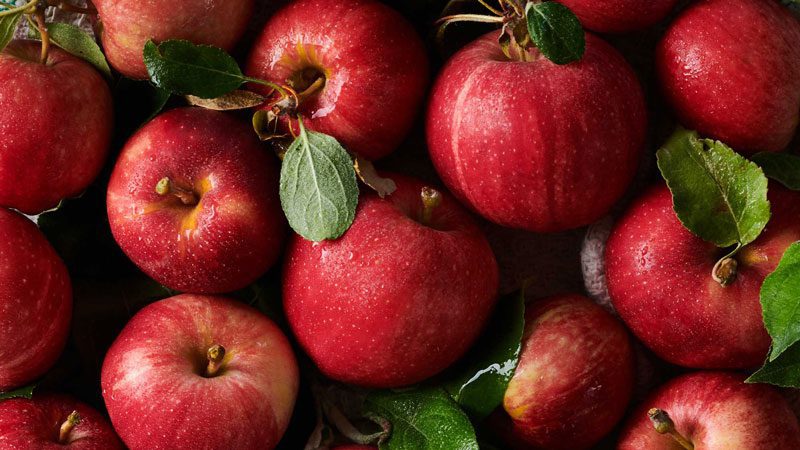
JULY—SEPTEMBER
Produce Aisle: For many of us, this is where we see peak seasonality, with plenty of crops making appearances early and staying in season for months beyond September. You’ll see plenty of greens (including those that started in spring, like broccoli), but the greens that “shine” during these months are lettuces (leaf, butter, and Romaine). You’ll also find watercress, corn, and all the peas, plus artichokes, cabbages, cucumbers, green beans, peppers, radicchio, summer squashes, tomatillos, and tomatoes. Herb wise, there’s plenty to choose from, including basil, parsley, dill, and cilantro.
But oh, the fruit. This is the season many of us wait all year for, flush with berries, stone fruit, and melons, along with apples, cherries, currants, grapes, pluots, and watermelon.
In The Garden: Many crops can be sown in late summer for fall harvests, says Joan Baldwin, with the Master Gardener Foundation of King County. “Short-season crops such as arugula, lettuce, radish, and spinach require about 30 – 60 days to maturity and can be planted several times per season. Many half-season crops can be planted in mid/late summer for fall harvest: beets, broccoli, cabbage, cauliflower, carrots, kale, to name a few.”
For fall harvests that grow fast, Tilth Alliance’s Laura Matter, who runs both the Natural Yard Care program and Garden Hotline, plants spinach, bok choy, tatsoi, mustard, radish, and arugula, but says start planting by late August or early September to get a decent crop harvest in October or even November if the weather holds.
OCTOBER—DECEMBER
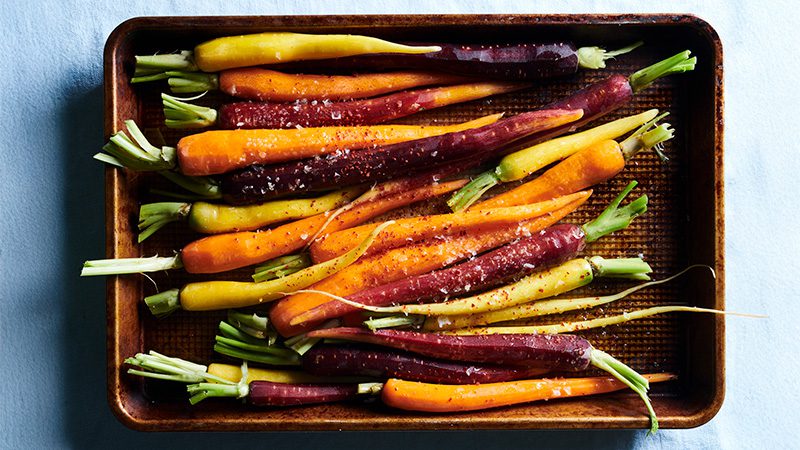
Produce Aisle: Surprisingly abundant. “In the fall, you can expect loads of fresh apples and pears from the new crop, plus hearty bunched greens, squash, brussels sprouts, and even some late-season plums,” Lamoureux said It’s also peak season for foraged mushrooms. “PCC brings in tons of wild varieties that pop up this time of year.” As the season progresses, says Lamoureux,“ things get a little tighter once that first freeze hits, but there are still some local standouts. Squash sticks around, and we see plenty of carrots, turnips, and different types of radicchio. (Fun fact: radicchio actually sweetens up in colder weather!) Cabbage continues rolling in, too, along with lots of root veggies like beets and parsnips.”
Look For: Beets, Brussels sprouts, cabbage, carrots, cauliflower, celeriac, collard greens, kale, leeks, Swiss chard, winter squash, sunchokes, and more. Our late fall/early winter season here tends to blur together in terms of produce. Fruit-wise, grapes are still in season along with early harvests of apples and pears. For something different, try quince — an ancient, fragrant, golden-yellow fruit that looks like a cross between an apple and a pear, but is not meant to be eaten raw. Once cooked, quince becomes tender and develops a sweet, aromatic flavor similar to apples and honey.
In The Garden: Baldwin says extending vegetable harvests for fall and winter requires planning for limiting factors such as cold temperatures, harsh weather conditions, and shorter daylight hours. “Temperature and weather issues can be addressed by choosing crops that grow well in cool conditions and providing protective structures such as hoop houses, cloches, or cold frames.”
She also advocates for “super-long season plants” such as garlic, some onions, fava beans, and shallots that can be planted in the fall for harvest the next summer, and advises checking the WSU Extension Master Gardener Program in your county for classes and other programs focused on science-based, sustainable gardening practices.
Matter says carrots, beets, and turnips can also be planted to overwinter, then mulched to keep them alive and firm — available in early spring. She also overwinters peas (snow peas usually), green onions, collards, and kale for harvest in early spring, plus broccoli, cabbage, and kohlrabi for harvest in mid-late spring.
She is also a fan of perennial evergreen herbs that are available all year long and especially nice to have in the fall and winter, such as rosemary, sage, thyme (it goes slightly dormant but still has enough growth to harvest from), and lavender.
If you’re considering late-season gardening this year, jump-start the season with any of these publications and educational resources:
Classes + Publications
Maritime Northwest Garden Guide
The definitive go-to guide and planning calendar for year-round organic gardening from Tilth Alliance.
Your Farm In the City
Written for city and suburban dwellers who may have little experience and/or space, the book covers all topics relevant to urban agriculture.
Tilth Alliance Garden Classes
Tilth offers a full slate of year-round classes, both in-person and online.
Master Gardener Foundation of Washington State
Educational events and classes throughout Washington, including King County’s “Growing Groceries” classes for 2026, which feature a “Cool Season” and “Warm Season” series, each consisting of six classes.
Joan Baldwin, Board President of Master Gardener Foundation of King County, recommends:
- Home Vegetable Gardening in Washington State, WSU Extension Publications
- Winter Growing Chart from Territorial Seeds
- The Year-Round Vegetable Garden For Beginners (2025) Benjamin Greenfield
Online Harvest Guides + Schedules
PCC Community Markets Guide to Seasonal Produce
Eat Local First Harvest Schedule
Washington State Department of Agriculture (WSDA) Harvest Schedules
Sheryl Wiser is a Seattle-based writer, consultant, and long-time advocate for local food systems.