
A Better Breakfast with Willi Galloway’s Veggie-Forward Recipes
Get your Greens & a Whole Lot More
By Tara Austen Weaver, guest contributor
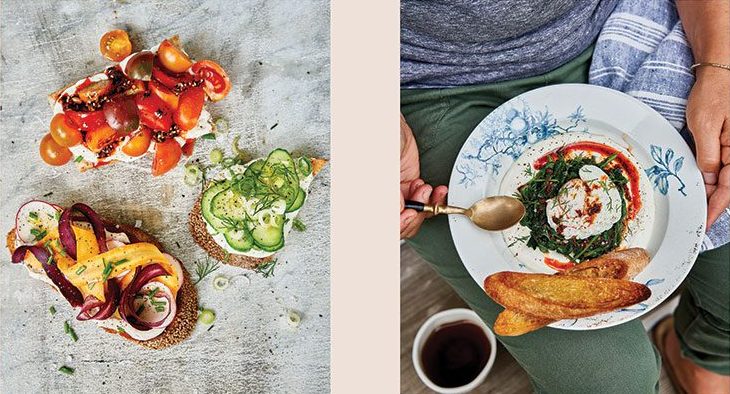
Photos by Jim Henkens from “Veggies for Breakfast”
One morning last summer, I looked at my breakfast plate of toast and eggs and found it lacking. I knew I should be eating vegetables, but how and what kind? I ended up adding a small pile of carrot and celery sticks. They were vegetables, yes, but underwhelming and a little sad.
Enter Willi Galloway.
Galloway may be familiar to Seattleites from her time as the edible gardening expert on KUOW’s Greendays radio show. She is author of the 2012 cookbook Grow Cook Eat, which connected backyard garden beds to the kitchen via inspiring recipes and planting wisdom. Galloway’s garden knowledge comes from years serving in Master Gardener programs and as West Coast editor for Organic Gardening magazine.
And now, inspired by her garden, she’s specializing in veggies for breakfast, the title of her new book (officially it’s Veggies for Breakfast: 100 Delicious Plant Focused Recipes for Healthier Mornings.)
As I had, one day Galloway looked at her breakfast plate and wondered if she could do better.
“I have a garden right outside my kitchen door,” she explains, “and I was just eating toast and eggs every single day — even though I had so many vegetables outside.”
It was also a general effort to increase her vegetable consumption. “If I’m supposed to eat seven servings of fruit and vegetables a day,” Galloway said, “and I am only having vegetables at lunch and dinner, I’m not going to make it.”
Adding vegetables to your day
She started branching out — first into breakfast tacos, filling them with sautéed vegetables, chopped tomatoes, and avocado. Oatmeal turned savory, flavored with ginger and miso, or a cheesy version inspired by the Italian pasta dish cacio e pepe. Galloway tops grain bowls with chunks of roasted zucchini, eggplant, and peppers. Winter mornings might start with spicy black beans and kale over quinoa and eggs with chipotle hot sauce. Leftovers also played their part — topped with a poached or fried egg.
“If you want to turn something into breakfast,” the now-Portland resident advises, “just put an egg on it!”
Galloway may be extending the idea of what some people consider breakfast, branching out in savory and salad-y directions, but she’s doing it deliciously.
The biggest challenge, she found, was not revisioning breakfast but finding the time.
“Morning is not the time to chop a whole bunch of vegetables,” she said. “One of my favorite recipes in the book is The Morning Glory Oatmeal. You can’t make that on Monday morning when you have to leave by 7:45, but you can make it on Sunday and eat it for four days. So, to eat vegetables for breakfast does take a little bit of planning.”
Work ahead to eat more veggies
One of her most valuable lessons was planning and prepping vegetables in advance.
“I make what I call salad bar boxes,” she explains. “I’ll chop up vegetables that store well — snap peas, carrots, peppers, green onions, fennel, that type of stuff. Then it’s a grab and go situation. I can make ricotta toast and just put some vegetables on top, or make a breakfast salad. When everything’s already chopped, that makes it doable in the morning.”
There is also some pre-cooking involved — roasting vegetables ahead of the time or baking eggs. “These are things you can then utilize throughout the week,” she says.
Galloway originally wanted to stay away from smoothies, since that’s many people’s first instinct when looking for breakfast veggies. But she realized they had their place. “You can make them ahead at night, shake them up in the morning, keep them in the fridge, and they are good when you need something fast on the go.”
She did add innovations. Her Pumpkin Pie Smoothie features three different vegetables, for instance, with frozen cauliflower standing in for the ice used in many smoothie recipes – adding effortless nutrition and checking off another one of those recommended seven-a-day.
Galloway also veggie-fied overnight oats, adding carrots and a pepita crunch.
As an avid gardener, she knows how to add a seasonal bent to the produce bin. The Sweet Potato, Kale, and Smoked Salmon Hash (another Galloway favorite), or Curried Tomatoes with Paneer and Eggs will warm up a winter morning, but spring makes way for a lemony couscous bowl with snap peas, radishes, asparagus, and whipped feta cheese with herbs. There is also a springtime frittata of asparagus, potatoes, and dill — cooked on a sheet pan, a method that reduces cooking time and produces more consistent results.
It’s good to see there are ways to break the nutritional rut of the breakfast table, with creative options like adding sweet potatoes to waffles (gluten-free, cinnamon-orange flavored.)
Along with centering vegetables, Galloway has elevated the role of breakfast — a meal we’re told is the most important of the day but is often given little thought and even less time.
“I just think taking a beat in the morning to start your day out nice with something that is nourishing and delicious is not super valued in our society, which is really go, go, go,” Galloway explains.
“But eating a wider range of foods is eye opening and kind of fun.” She hopes to inspire people “ to just play a little bit faster and looser” — and nutritionally — with what they think constitutes breakfast.
Tara Austen Weaver is a Seattle-based writer, editor, and tender of an increasingly wild garden. She is author of numerous books, most recently How to Grow Berries and Fruit Trees in the Pacific Northwest and the Little Book of Flowers series: Peonies, Dahlias, and Tulips.
Morning Glory Baked Oatmeal
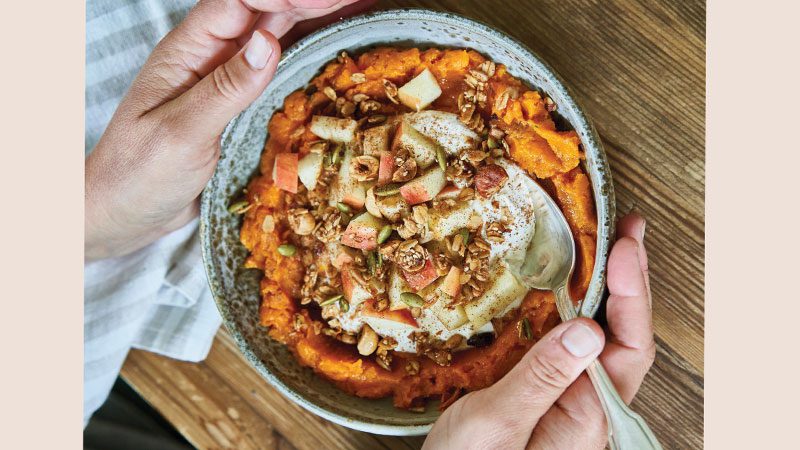
Make-ahead baked oatmeal is a great way to simplify your mornings, but many recipes result in dense, gummy oats. After much trial and error, I landed on a baked oatmeal strategy that employs two smart techniques that result in a sliceable oatmeal with a flaky, almost cake-like texture. First the oats are coated in melted fat, which adds flavor and keeps them from soaking up too much liquid. Then the wet and dry ingredients are mixed separately and combined just before baking—like how muffins are made. A crunchy citrus sugar topping adds a bright, sweet touch that makes each bite irresistible.
Makes 8 Servings
⅓ cup turbinado or demerara sugar
1 ½ teaspoons orange zest (from 1 large orange)
3 cups extra-thick rolled oats or regular rolled oats (not instant)
2 teaspoons ground cinnamon
½ teaspoon ground ginger
½ teaspoon sea salt
1 teaspoon baking powder
⅓ cup golden or regular raisins
¼ cup melted unsalted butter or coconut oil
1 ¼ cups milk (dairy or unsweetened, plain non-dairy)
2 large eggs
2 teaspoons vanilla extract
½ cup orange juice ¼ cup maple syrup
½ cup unsweetened apple sauce
1 cup grated carrot (1 large carrot)
1 cup grated zucchini (1 medium, 4-ounce zucchini)
1 cup grated tart apple, such as Granny Smith (1 large apple)
Top with cream, mixed berries, salted butter, flaky sea salt, and maple syrup (optional)
Place an oven rack in the center of the oven, and preheat the oven to 350 degrees F. Grease a 7-by-11-inch (2 quart) baking dish with butter.
In a small bowl, combine the sugar and orange zest. Using your fingers, rub the zest into the sugar to release its essential oils. Set aside.
In a large mixing bowl, stir together the rolled oats, cinnamon, ginger, salt, baking powder, and raisins. Pour the melted butter over the oat mixture and stir until the oats are evenly coated.
In a separate medium bowl, whisk together the milk, eggs, vanilla, orange juice, maple syrup, and applesauce; then stir in the grated carrot, zucchini, and apple.
Working quickly, stir the milk mixture into the oats, folding the oats until everything is well combined and the oats are evenly moistened.
Pour the oats into the prepared baking dish, making sure the vegetables and apple are evenly distributed.
Put the dish in the oven and bake for 25 minutes. Pull the dish out and distribute the sugar mix over the top. Return to the oven and bake for another 25 to 30 minutes (50 to 55 minutes total). The oatmeal is ready when it pulls away slightly from the edge of the pan and the middle feels bouncy to the touch.
Remove and let cool for 5 minutes before cutting into 8 even rectangles. Serve with a drizzle of cream, a knob of butter, a sprinkle of flaky salt, and a tad more sugar or maple syrup if you want it sweeter.
NOTE: Extra-thick rolled oats result in the best texture, but regular rolled oats work well too. Just don’t use quick-cooking rolled oats or instant oats, as their texture is too fine for this recipe. If you want to make this recipe refined sugar-free, stir the orange zest into the liquid ingredients and skip adding the turbinado sugar topping.
MAKE-AHEAD MORNINGS: After baking, cool to room temperature. Cut the oatmeal into 8 even rectangles, cover the pan tightly with aluminum foil and refrigerate for up to 5 days. To reheat, put a single portion on a microwave-safe dish and cook for 1 minute and 30 seconds. Or reheat the whole pan by placing it covered into an oven heated to 350 degrees F for 10 to 15 minutes. To freeze, wrap individual portions in plastic wrap and store in a freezer bag for up to 3 months. Thaw in the fridge before reheating.
From “Veggies for Breakfast: 100 Delicious Plant-Focused Recipes for Healthier Mornings,” by Willi Galloway (Sasquatch Books, 2025).