How a PCC Checkout Choice Is Helping Local Farms and Food Banks
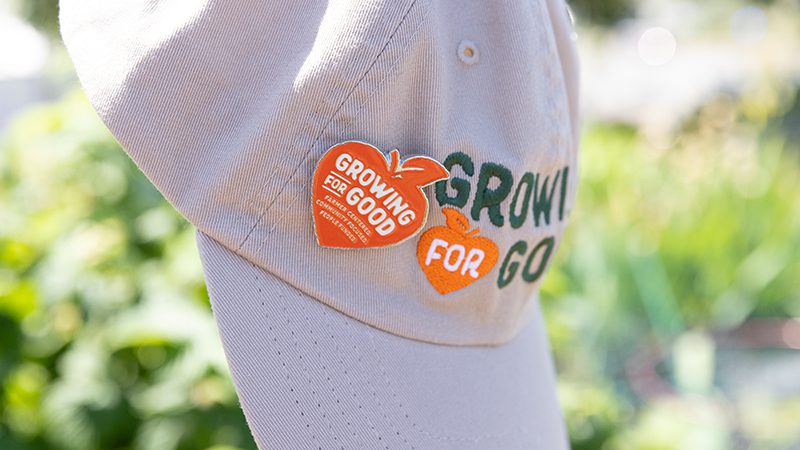
When neighbors support neighbors, everyone wins. That’s the lesson behind “Growing for Good,” the food, farming and hunger relief program supported by PCC shoppers, according to a recent award recognizing the program’s success.
Growing for Good, a partnership between PCC, Neighborhood Farmers Markets and Harvest Against Hunger, hit a new landmark in May. It’s distributed more than a million dollars in contracts since it was founded in 2020 and now supports 27 hunger relief organizations and 32 local farms.
Whether rounding up purchases at PCC cash registers or backing Growing for Good through memberships and donations, the program is proving what a difference each small step makes toward a greater goal.
What is Growing for Good?
When PCC shoppers “round up” at the cash register for Growing for Good, here’s what they’re supporting:
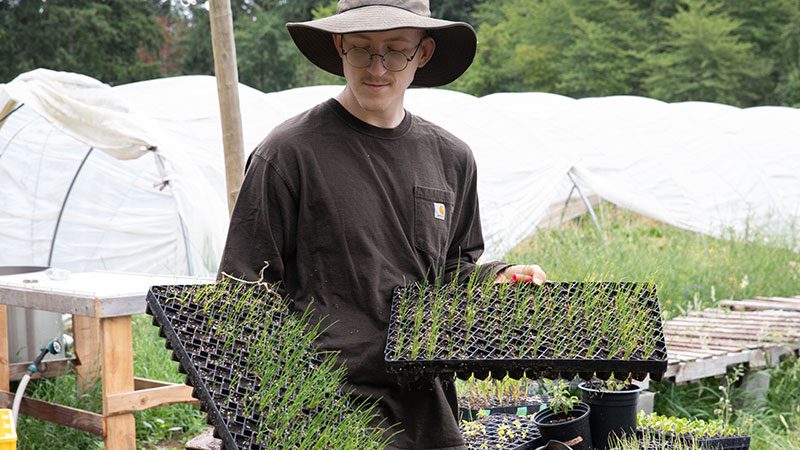
The program pays local farmers to grow vegetables and fruits for hunger relief organizations, such as neighborhood food banks, meal programs and mutual aid groups, from the SeaMar community health centers to the preschool at United Indians for All Tribes Foundation. The money donated in shopper “round ups” is sent to Neighborhood Farmers Markets, which administer the program. The farmers get guaranteed sales – and advance payments helping them buy seeds and supplies early in the growing season, when they are typically short on cash. It is “a wonderful collaboration and massively helpful,” especially helping new farmers with few market outlets, leaders at nonprofit Viva Farms said in an annual report.
Participating is also an opportunity for these small farms, many of whom usually sell through farmers markets and farmstands, to share good food with people who couldn’t normally shop at those outlets.
The hunger relief agencies also get a rare benefit: consistent deliveries of fresh, local, nutritious food “on the timetable that they want and that their clients need,” said Jennifer Antos, executive director of Neighborhood Farmers Markets, at a recent Seattle food systems conference. The agencies plan out harvests with their farmer partners, arranging crops that are unlikely to be donated or available through large suppliers. Kirsop Farms, for instance, an early participant, was able to grow crops like peas and mustard greens and bok choy on request from its Growing for Good partner, rather than just market mainstays of carrots and potatoes. “It was wonderful to have a shift from just boxing up leftovers to, ‘Now I can pack for you exactly what you want or need,’ Kirsop co-owner Genine Bradwin told Sound Consumer at the time.
Over the program’s history, Growing for Good farmers have harvested and delivered more than 375,000 pounds of food to local agencies.
How Growing for Good began
The alliance began in 2020 when Seattle’s farmers markets and restaurants were shut down during the height of the COVID pandemic, leaving farmers without their usual sales outlets. At the same time, food insecurity increased significantly as people lost jobs and school meal programs were disrupted. Large food distributors prioritized retailers to ensure public food security, so even hunger relief organizations with financial resources were unable to purchase through their usual sources.
“We turned to our community partners, to our farmers and to hunger relief organizations, and asked, How can we connect the dots and bridge these two problems?” Antos said at a roundtable gathering of regional food and farming advocates recently.
Working collaboratively the team from the Neighborhood Farmers Markets, Harvest Against Hunger, and PCC, the program has brought in more farmers, more hunger relief agencies, and increased the amount of aid available for the contracts. (It won King County’s highest honor for environmental stewardship along the way.)
Last fall, the partners “did some essential planning work that we did not have the luxury of doing when the program began,” Antos said. Next steps are to scale the program up over the next three years, bringing on additional farmers and organizations, and finding other ways to support it financially.
“This challenge of (farmer) viability and hunger in our community is not going away, and it is not unique or current only to the pandemic,” Antos said. “So we know we can do more.”
What’s next for Growing for Good
The first step forward is to pilot a new collaboration.
Central Co-op, a co-op originally founded in 1978 with branches in Seattle and Tacoma, is starting to work with the Growing for Good team to help the program understand the possibilities and challenges of expanding this effort to other co-ops. As a first step in this effort, GFG has expanded into Pierce County and is excited to work with the hunger relief organizations that Central Co-op supports.
Rachel Tefft, PCC’s senior manager of community food systems, is interested to see how this model could be shared with other co-ops in the region – or even beyond – to join in and bring the program to their own communities, farmers and partners. Co-ops are “anchors,” each with existing roots and connections, she said, and a natural affinity for supporting both farmers and hunger relief.
As the need is growing, the partners are working to make sure the program can too.
More about Growing for Good
- See the 2025 Growing for Good annual report here.
- Become a community sponsor here.
- Visit the Growing for Good website here or follow the organization on Instagram.