
Banana: The hot flavor trend you didn’t see coming
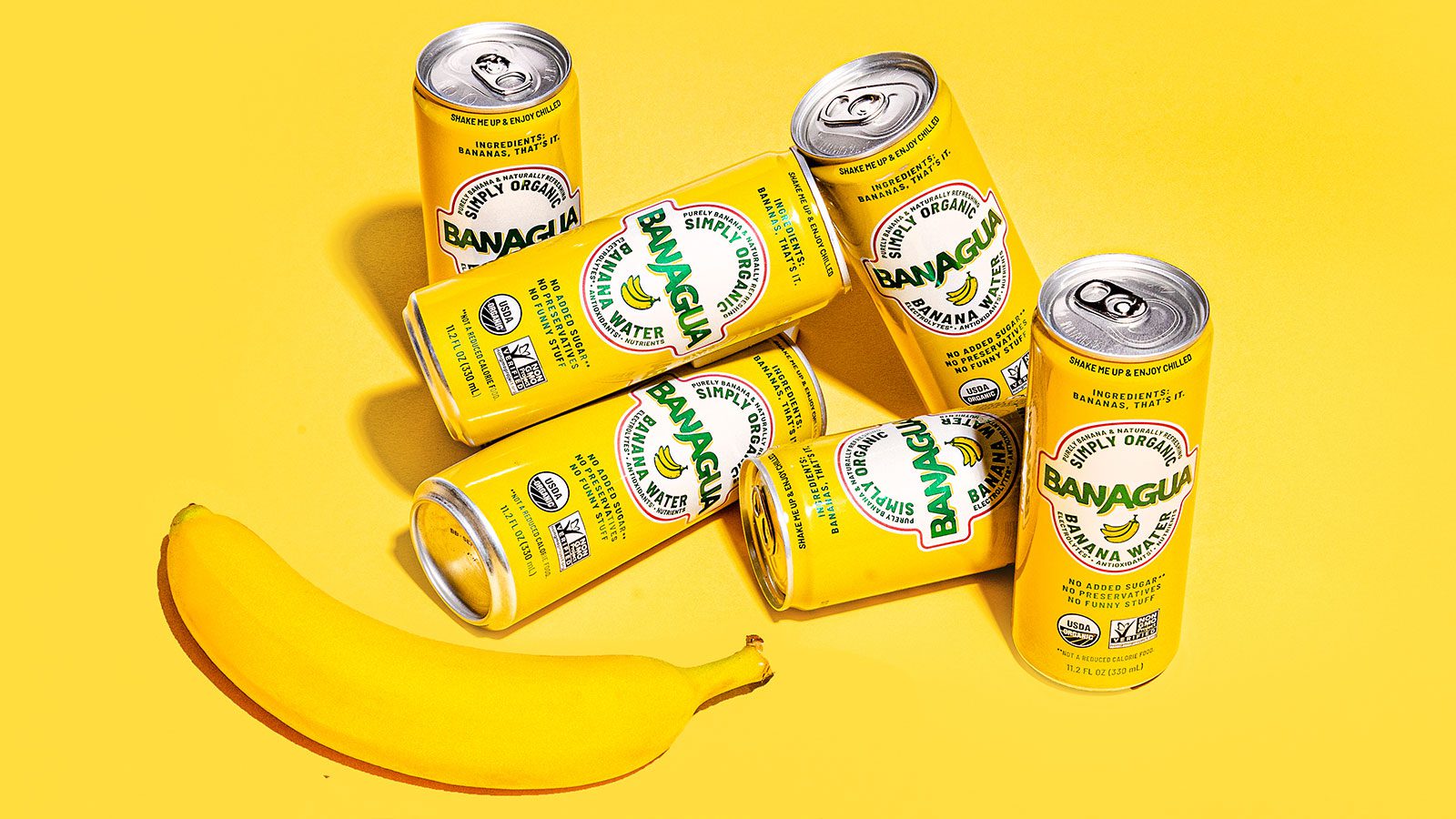
Everything’s going bananas when it comes to drinks and food.
That’s not just the “GROW” organic bananas at PCC stores that support communities where the fruits are grown. It’s banana as an ingredient and a flavoring, the hottest taste trend this side of pumpkin spice.
Origins of the banana flavoring trend
Noah Smith, PCC’s grocery merchandiser, was an early adopter when he began stocking “banana water” from Woodstock Foods at PCC stores in 2024. The drink’s single ingredient: Organic bananas. The banana water was advertised as “the peel good beverage” (pun intended), rich in potassium and other electrolytes.
“We’ve seen companies launch every kind of water that they can think of since the success of coconut water. This is really the first one we’ve been excited about,” Smith said.
The drink had a good flavor and a nutrition profile he knew would appeal to shoppers. Banana, despite its long history as a basic kitchen staple, struck him as breakout flavor – and he was right.
“It took right off.”
Banana water has been a consistent bestseller since, and PCC stores have more recently added a second producer: Banagua. It too contains only one ingredient, certified organic bananas.
At Expo West, the natural and organics food trade show earlier this year, banana flavor was everywhere, Smith and fellow merchandiser Frank Schuck reported. Banana creamer was a category on its own, with PCC stores now stocking a “genuinely excellent” dairy-free version by Forager, featuring pureed bananas in a cashew-oat-coconut cream base.
“This is one of those things where you start to see a recurring theme,” Smith said.
That means banana flavored sodas, ice creams, protein snacks, cereals and more.
Bret Thorn, food editor of Nation’s Restaurant News, wrote earlier this year that the banana explosion owes a lot to the South Korean trend of adding banana flavored milk to coffee.
Banana-flavored milk was introduced in South Korea in 1974 by the Binggrae company, according to Food Republic. That move followed a government push to encourage the country’s residents to drink more milk for improved nutrition. Bananas were considered a luxury at the time, the article said, and the unique flavor made a hit out of a drink that had otherwise been considered unappealingly plain or hard to digest.
Thorn wrote that “with the growing popularity of all things South Korean, from KPop to gochujang, combined with the trend of topping coffee with something cold and foamy, it stands to reason that the custom would make its way to the United States.”
Artificial banana flavor has been divisive. Popular lore says artificial banana tastes distinctively different because it’s based on the Gros Michel variety of banana rather than the modern Cavendish, but it seems likelier that artificial banana is a single simple compound that simply doesn’t reflect the complexity of the fruit. But the real surprise might be that it took so long for banana to take off as a natural ingredient.
There’s really no reason it shouldn’t be, as corporations and pundits have anointed it, the “it flavor of 2026.”
Banana is familiar. It’s loved (it’s the most-consumed fresh fruit in the U.S., according to the U.S. Department of Agriculture (USDA). It’s digestible, portable, nutritious and inexpensive. Clearly, we’re all bananas for it.
How to make banana milk
Plenty of banana products are tough to recreate at home, but banana milk is easy to DIY. Here’s how:
- Slice and freeze a single ripe banana.
- Blend the frozen banana with a cup of water (or less for a thicker texture) in a powerful blender until smooth.
- Add a dash of vanilla extract, a sprinkle of cinnamon, or other flavorings if desired. Use immediately.